Native Broadleaf Woodland
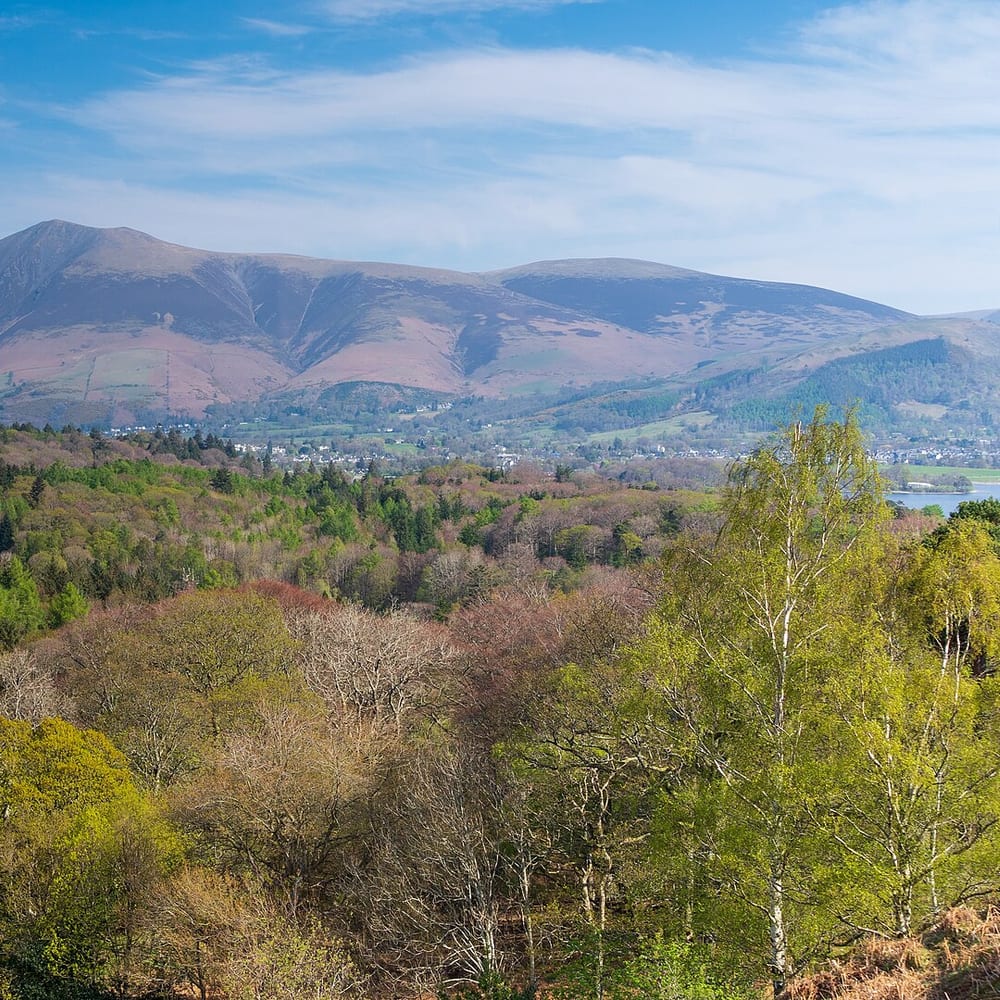
A block of new native broadleaf woodland — mixed species planted at density to establish a self-sustaining habitat. The landscape-scale carbon and biodiversity play: real sequestration under the Woodland Carbon Code and high-distinctiveness habitat, given space and decades.
Carbon and evidence
Carbon Sink & Ecosystem Services
A living landscape element — a carbon sink and provider of ecosystem services, not a manufactured product. Its value is measured by sequestration and biodiversity, not embodied carbon, and it must never be netted against a product’s A1–A3.
Carbon Sequestration
Sequestered — carbon removed from the atmosphere
average over ~100 years for new native broadleaf woodland; front-loaded as it establishes
Source: Woodland Carbon Code
Indicative and highly variable by species, size, soil and context. Sequestration is slow and reversible — it is not equivalent to avoiding an emission and must not offset embodied product carbon.
Biodiversity Net Gain
native broadleaf woodland is a high-distinctiveness habitat
Source: Defra Biodiversity Metric 4.0
England requires a 10% Biodiversity Net Gain; distinctiveness is one input to the habitat unit calculation.
Water / SuDS
canopy and soil intercept and slow runoff
Source: CIRIA SuDS Manual (C753)
Ecosystem Services
Establishment & Maintenance
planting, protection (guards/stakes) and early maintenance carry an upfront carbon cost, repaid over decades
Read This Honestly
- •Sequestration is slow, uncertain and reversible — it un-banks if the plant dies.
- •Never offset embodied product carbon with it.
- •Needs space and decades — sequestration is real but slow to accrue.
Reference Sources
Products in this category
No manufacturer products are listed in this category yet. You can specify native broadleaf woodland generically and carry it through to a render and specification as normal.
Specification
- Finish
- Native woodland planting
- Service life
- 60 years