Dekton
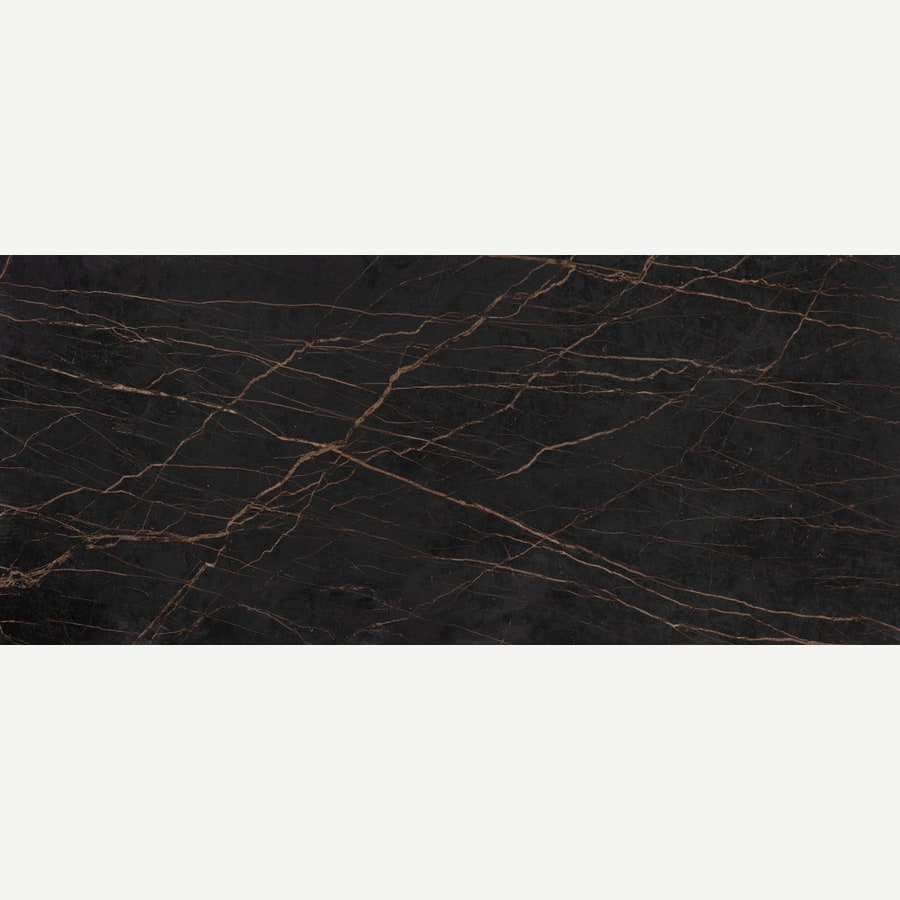
A dense, large-format mineral surface made using high-pressure compaction and thermal processing. Dekton is used for worktops, furniture, floors, walls and ventilated façades where low water absorption, UV stability and resistance to stains, abrasion and heat are required.
Carbon and evidence
Product Evidence
Evidence currently held for the Cosentino product record.
Recorded Carbon Result
EPD result 676 kgCO2e per declared unit of 1,000 kg
Indicator: GWP-total
Dekton Environmental Product Declaration · PDF p. 24, Table 9 — environmental performance per functional unit (1,000 kg Dekton)Environmental Product Declaration
EPD recorded- Coverage
- Representative product
- Declared unit
- 1,000 kg Dekton
- Programme
- The International EPD System
- Registration
- S-P-00916
- Standard
- ISO 14025 and EN 15804+A2
- Valid until
- 2026-12-08
- Verification
- Third-party verified
The declaration reports an average Dekton product per 1,000 kg. Convert only with the selected slab thickness and mass.
Carbon profile
kgCO2e per 1,000 kg Dekton · each bar starts at zero · local scale
A1-A3 product
676
A4-A5 site*
163
B use
12.3
C end of life
13.4
D reuse / recycling
0
Reported GWP Modules
Displayed as stored; modules are not added together here.
A1–A3
676 kgCO₂e
per 1,000 kg Dekton
A4*
163 kgCO₂e
per 1,000 kg Dekton
A5*
0.00737 kgCO₂e
per 1,000 kg Dekton
B2
12.3 kgCO₂e
per 1,000 kg Dekton
C2
8.15 kgCO₂e
per 1,000 kg Dekton
C4
5.27 kgCO₂e
per 1,000 kg Dekton
D
0 kgCO₂e
per 1,000 kg Dekton
Upfront Carbon (A1–A5)*
839 kgCO₂e per 1,000 kg Dekton
A1–A3 676 + A4 163 + A5 0.00737 · GWP-total, as declared
Service Life — the B4 Replacement Input
50 years · basis not recorded
≈2 installations over a 60-year building study period.
Sourced Certifications & Contributions
EPD S-P-00916 v2
Evidence Sources
The International EPD System · PDF p. 24, Table 9 — environmental performance per functional unit (1,000 kg Dekton)
Coverage: The declaration reports an average Dekton product per 1,000 kg. Convert only with the selected slab thickness and mass.
Comparison Status
This result should be displayed for information only and not ranked against another product.
- • The lifecycle modules covered by the figure could not be determined.
Evidence Gaps
- •No product-specific circularity or material-health claims are recorded.
Design & Specification Notes
Qualitative notes for early design discussion. Not product-specific EPD evidence, and not a basis for numerical comparison.
A dense, large-format mineral surface made using high-pressure compaction and thermal processing.
Typical Uses
- •Hardware & fittings
- •Bathroom/kitchen fixtures
- •Accessories
Specification Actions
- •Confirm the current EPD covers the selected product, finish and manufacturing route.
- •Calculate transport distances for primary materials.
- •Document material reuse or reclaimed content percentages.
Indicative Health & Indoor Air
- •respirable crystalline-silica dust during dry cutting, grinding or fabrication
Installed slabs are solid and inert in normal use. Fabrication must follow Cosentino guidance and use wet methods, extraction and suitable respiratory protection; do not dry-cut.
Specification
- Collection
- Dekton
- Finish
- Ultracompact sintered mineral surface
- Service life
- 50 years